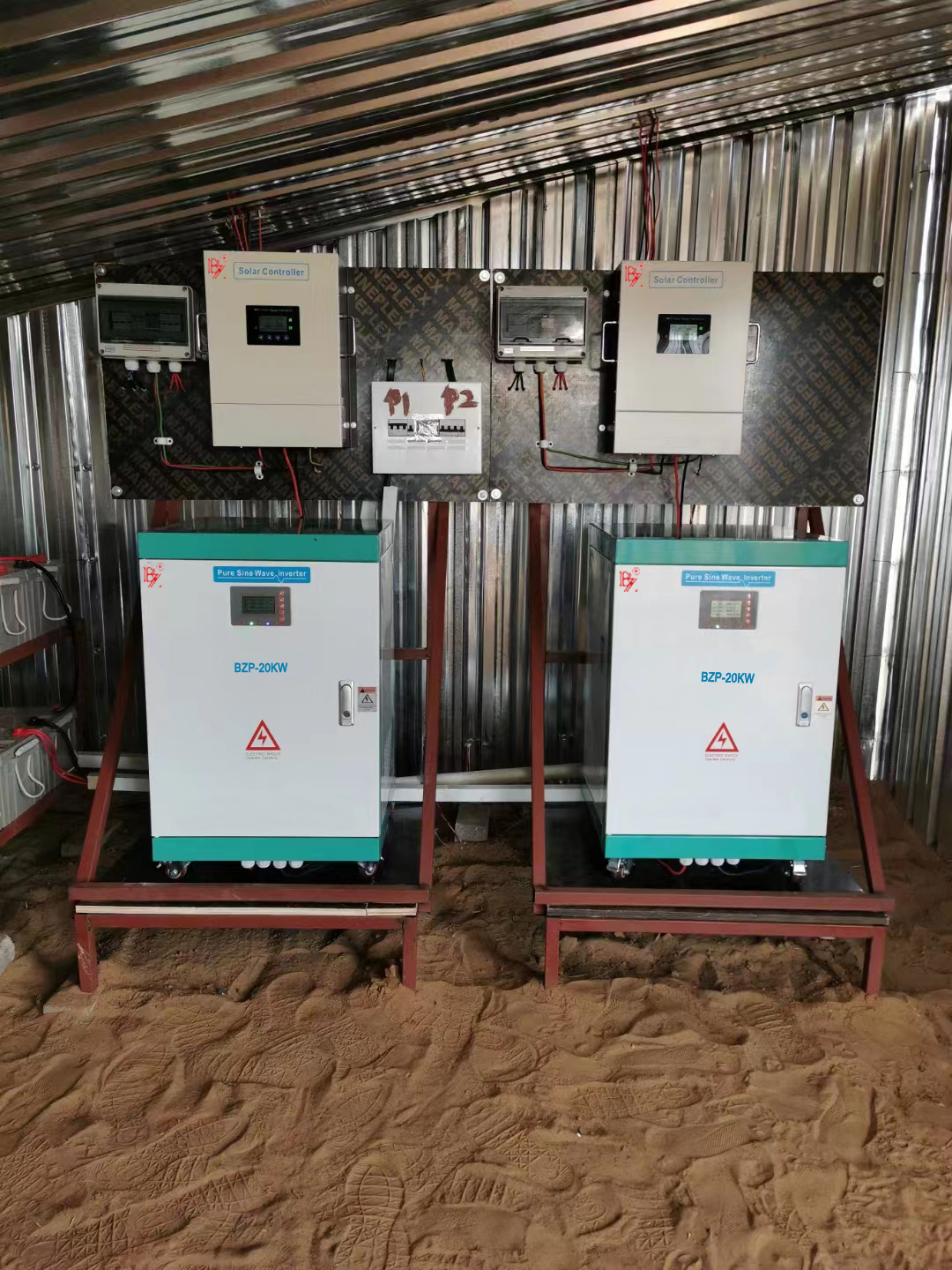
In recent years, it's become pretty clear that managing water efficiently is more important than ever. As we face rising water shortages and try to be kinder to our environment, new solutions are popping up. One of the cooler innovations lately is the use of Pv Pump Inverters. These systems do a great job at boosting the performance of water pumps, while also helping save energy and cut down on operating costs. Plus, they tap into solar power, giving folks a way to use renewable energy—something that's super important as we shift towards greener energy sources worldwide.
Adding PV Pump Inverters into water management setups isn’t just about making things more efficient. They also help ensure water supplies are more reliable, and extend the life of pumps—big wins in farming, industry, and city water systems. And with the whole world paying more attention to being eco-friendly, using solar-powered tech like these inverters really lines up with our sustainability goals. It’s a step toward a greener way of managing resources. In the list of the top ten benefits of using PV Pump Inverters, we’ll see how they not only make operations smoother but also help move us toward a more sustainable future when it comes to water management.
Benefits of Pv Pump Inverters for Agricultural Water Management
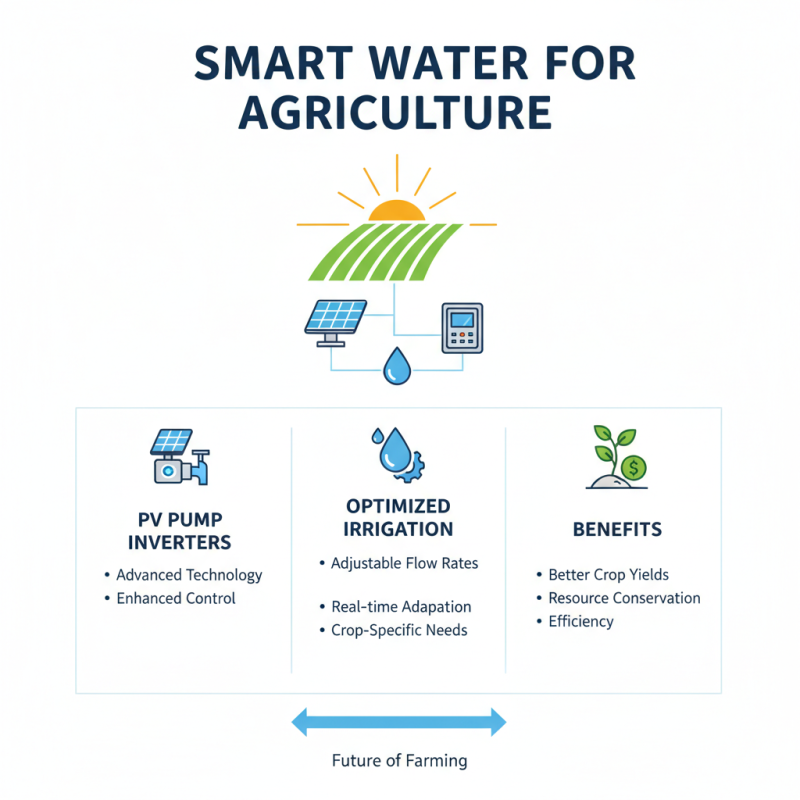
In the realm of agricultural water management, the integration of PV pump inverters offers substantial benefits that can optimize efficiency and sustainability. According to a report by the International Renewable Energy Agency (IRENA), solar water pumping systems can reduce operational costs by up to 70% compared to traditional diesel pumps. This is particularly significant in remote areas where access to electricity is limited, enabling farmers to harness solar energy for irrigation. The use of PV pump inverters allows for precise control over water flow, ensuring that crops receive the necessary irrigation while reducing waste.
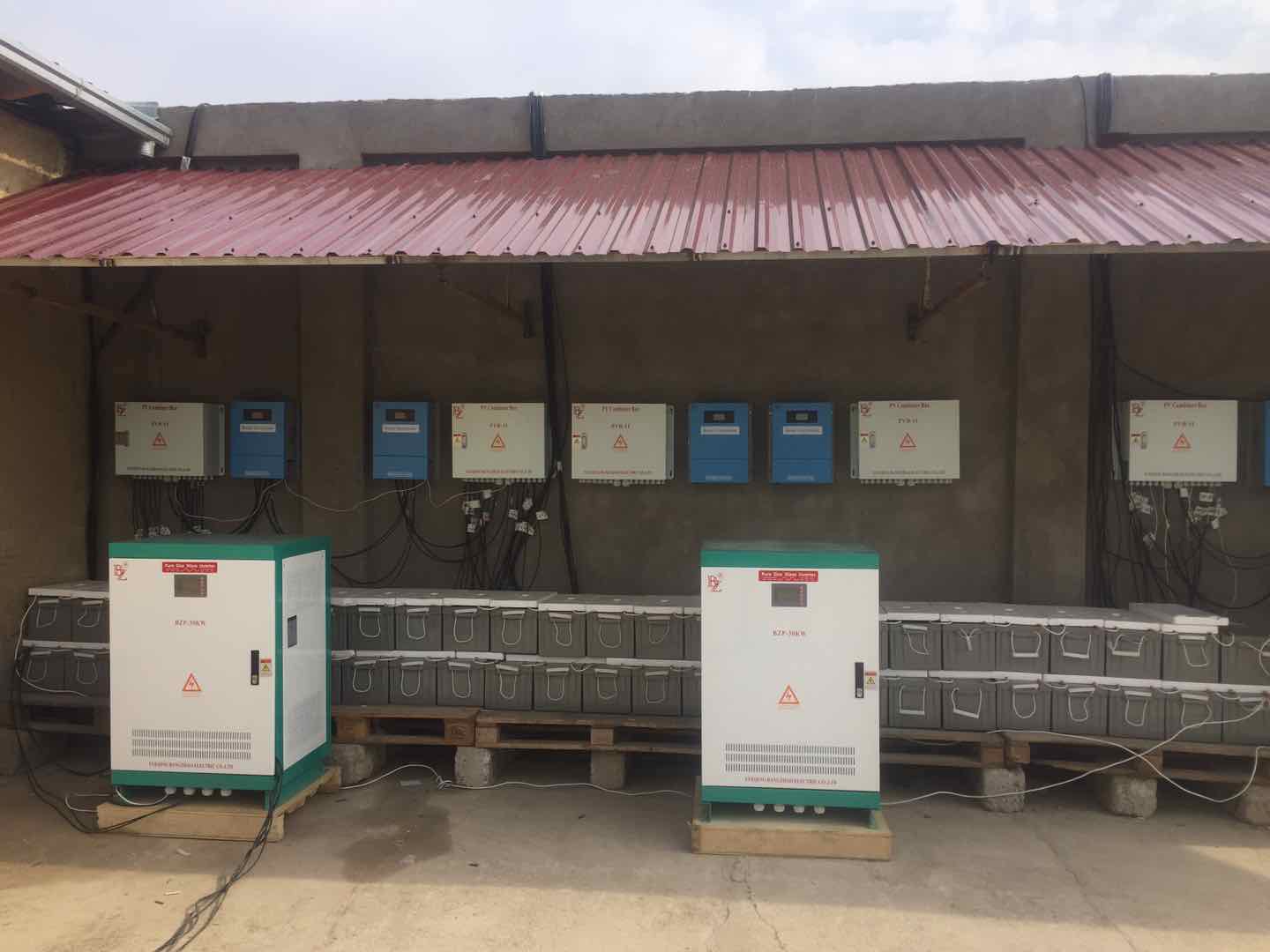
Bangzhao Electric Co., Ltd. stands at the forefront of energy solutions, including advanced PV pump inverters that are optimized for agricultural applications. By utilizing our state-of-the-art bi-directional energy storage systems and Pure Sine Wave Inverters, agricultural entities can effectively store excess solar energy for use during non-sunny periods, ensuring consistent water supply. Furthermore, data from the U.S. Department of Agriculture (USDA) indicates that effective water management through solar pumping systems can lead to an increase in crop yield by as much as 25%, supporting food security and sustainability. This innovation not only promotes efficient water management but also aligns with global efforts toward renewable energy adoption.
Energy Efficiency and Reduced Operational Costs of Pv Pump Inverters
The integration of photovoltaic (PV) pump inverters in water management systems presents significant advantages in terms of energy efficiency and operational cost reduction. According to a report by the International Renewable Energy Agency (IRENA), solar-powered water pumping systems can reduce energy costs by up to 80% compared to traditional diesel-powered pumps. This substantial decrease in energy expenditure is largely due to the inverters' capability to optimize solar energy use, ensuring that water pumping occurs at peak solar production times, ultimately enhancing overall system efficiency.
Moreover, PV pump inverters contribute to reduced maintenance costs, a benefit highlighted in a 2022 study by the Solar Energy Industries Association (SEIA). The report indicates that solar-powered systems tend to have a longer lifespan and lower wear and tear, leading to decreased maintenance needs and costs. In fact, businesses implementing PV pump technology can expect to see a return on investment within 3 to 5 years, thanks to these savings. This shift toward renewable technologies not only lowers operational costs but also aligns with global sustainability goals, making PV pump inverters a vital component of efficient water management strategies.
Enhanced Control Over Water Flow and Irrigation Scheduling
The adoption of PV pump inverters transforms the way we manage water flow and irrigation schedules. With advanced technology, these inverters offer enhanced control, allowing users to adjust water delivery rates easily according to specific crop needs and environmental conditions. Farmers and land managers can program the system to adapt in real-time, ensuring optimal water usage in varying climatic scenarios. This capability fosters a more efficient irrigation process, ultimately leading to better crop yields and resource conservation.
Additionally, the flexibility afforded by PV pump inverters enables precise scheduling of irrigation times. Users can automate irrigation cycles based on solar energy availability, ensuring that pumps operate during peak sunlight hours. This leads to significant energy savings and reduces dependency on conventional energy sources. Furthermore, the ability to monitor system performance remotely via digital interfaces empowers users with data-driven decision-making, creating opportunities for further improvements in water management strategies. This level of control not only increases efficiency but also enhances sustainability in agricultural practices.
Integration with Renewable Energy Sources for Sustainable Practices
In recent years, the integration of pump inverters with renewable energy sources has revolutionized water management practices, leading to enhanced sustainability. By leveraging solar or wind energy, PV pump inverters enable efficient operation, dramatically reducing reliance on traditional power grids. This not only cuts operational costs but also minimizes the carbon footprint of water management systems. Moreover, such integration allows for real-time energy management, ensuring that pumps operate optimally according to energy availability.
Tip: When considering PV pump inverters, assess the energy output of your renewable source to ensure compatibility with your pump systems. Proper sizing and integration can maximize efficiency and yield significant long-term savings.
Another significant advantage is the flexibility these systems provide. For agriculture, for example, farmers can schedule irrigation during peak sunlight hours, optimizing water usage while harnessing free energy. This adaptability makes management simpler and more effective, aligning with sustainable practices by promoting responsible water usage.
Tip: Regularly monitor and maintain your PV systems to ensure they operate at peak efficiency. Clean panels and check connections to prevent energy losses and sustain high performance over time.
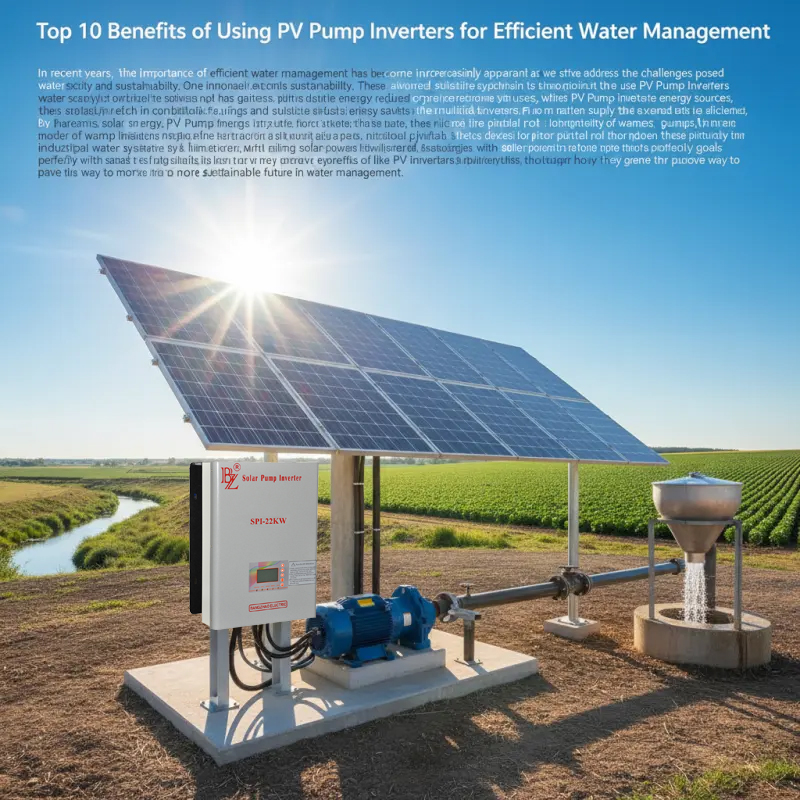
Top 10 Benefits of Using PV Pump Inverters for Efficient Water Management
Reduction of Wear and Tear on Pump Equipment
The implementation of PV pump inverters offers substantial benefits for water management, particularly in reducing wear and tear on pump equipment. One significant advantage is their ability to regulate pump speed in response to real-time water demand. By avoiding the constant starting and stopping of motors, wear is minimized, thereby extending the lifespan of the equipment. In a recent case study, smart monitoring systems have demonstrated that consistent operational speeds lead to a 20% reduction in mechanical strain on pumps, making them more efficient in the long run.
Tips: To further enhance the longevity of your pump systems, consider integrating predictive maintenance technologies. Recent advancements in AI tools can forecast equipment failures, allowing for timely interventions that prevent costly breakdowns. This proactive approach not only improves system reliability but also minimizes unexpected wear on the machinery, thereby saving resources.
Moreover, the data-driven methodologies used by leading organizations, such as Anglian Water, underscore the importance of robust monitoring systems. Such systems yield actionable insights that help optimize pump performance and maintenance schedules. It's reported that the adoption of these technologies can improve pump efficiency by up to 15%, leading to significant operational cost savings. Investing in these innovative solutions today will pay dividends in equipment reliability and performance efficiency.
Top 10 Benefits of Using PV Pump Inverters for Efficient Water Management - Reduction of Wear and Tear on Pump Equipment
| Benefit | Description | Impact on Wear and Tear | Estimated Savings (%) |
| Variable Speed Control | Adjusts motor speed based on demand, ensuring optimal performance. | Reduces strain during low demand periods. | 20% |
| Protection Against Dry Running | Inverters prevent operation without fluid, safeguarding the pump. | Minimizes mechanical damage. | 15% |
| Soft Start Feature | Gradual increase in speed prevents mechanical shock. | Extends life of pump components. | 25% |
| Energy Efficiency | Optimizes power consumption based on load needs. | Lowers mechanical stress. | 30% |
| Remote Monitoring | Enables operators to monitor equipment health remotely. | Quick intervention reduces damage risk. | 18% |
| Overload Protection | Shuts down during overload conditions to prevent damage. | Significantly reduces potential failures. | 22% |
| Reduced Maintenance Costs | Cost savings from less frequent repairs and replacements. | Lower downtime and better reliability. | 10% |
| Enhanced System Lifespan | Increased lifespan of the entire pumping system. | Less frequent replacements needed. | 35% |
| Environmentally Friendly | Reduces energy consumption and carbon footprint. | Improves overall system sustainability. | 40% |
| User-Friendly Interface | Intuitive controls for easy operation and management. | Minimizes operator errors and enhances efficiency. | 5% |
Monitoring and Data Analysis Features of Pv Pump Inverters
With the growing need for efficient water management in various agricultural and industrial sectors, PV pump inverters have emerged as a game-changing solution. One of the standout features of these inverters is their robust monitoring and data analysis capabilities. These features allow users to track water usage, pump performance, and solar energy production in real time. By providing detailed insights, PV pump inverters help in making informed decisions, ultimately leading to enhanced water conservation and reduced operational costs.
Tip: Regularly reviewing the data analytics provided by your PV pump inverter can uncover trends in water usage and efficiency, allowing for proactive adjustments in your systems.
Additionally, the monitoring systems often include remote access features, enabling operators to check performance metrics from anywhere. This capability fosters timely maintenance and troubleshooting, minimizing downtime and ensuring that water management systems operate at peak efficiency.
Tip: Implement alerts and notifications for your monitoring system. This proactive approach can alert you to any anomalies in system performance, allowing for immediate action before small issues escalate into significant problems.
Environmental Impact and Conservation Benefits of Using Pv Pump Inverters
The adoption of PV pump inverters plays a crucial role in enhancing water management practices while also delivering significant environmental benefits. According to the International Renewable Energy Agency (IRENA), the integration of renewable energy technologies, like solar PV, can lead to a reduction in greenhouse gas emissions by up to 70% in agricultural irrigation systems. This is particularly vital in regions facing severe water shortages as it allows for sustainable water extraction without resorting to fossil fuels, which contribute to climate change.
Additionally, the use of PV pump inverters facilitates better water conservation strategies. Data from the Food and Agriculture Organization (FAO) indicates that improved management of irrigation can increase water use efficiency by 30-50%. By utilizing PV pump inverters, farmers can optimize their water usage, aligning with modern agricultural practices that aim to balance productivity with sustainability. This not only preserves vital water resources but also enhances crop yield stability, supporting long-term food security while ensuring that ecological systems remain intact.
Maximizing Efficiency with Solar MPPT Pump Inverters: Insights from the Global Renewable Energy Market Report 2023
The increasing focus on renewable energy sources has led to significant advancements in solar technology, particularly in the realm of solar MPPT (Maximum Power Point Tracking) pump inverters. According to insights from the Global Renewable Energy Market Report 2023, optimizing the efficiency of solar-powered pumping systems is crucial for harnessing maximum solar energy output, especially in agricultural and irrigation applications. The integration of innovative technologies can streamline operations and enhance sustainability.
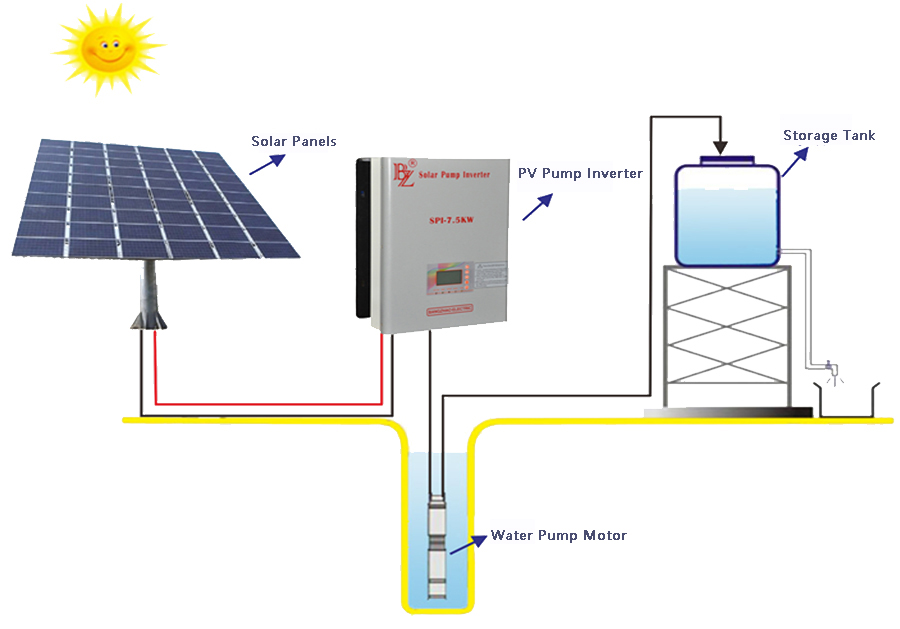
Bangzhao Electric's SPI series of solar MPPT pump inverters exemplifies this innovation, playing a vital role in photovoltaic pumping systems. These inverters proficiently convert the direct current (DC) output from solar arrays into alternating current (AC) necessary for driving water pumps. They are designed to adapt in real time to fluctuations in sunlight intensity, adjusting output voltage and frequency accordingly. This dynamic adjustment is essential for achieving maximum power point tracking, ensuring that energy utilization from solar sources is maximized. Therefore, investing in advanced solar MPPT pump inverters like Bangzhao Electric's SPI series not only promotes energy efficiency but also advances the broader market goals of sustainability within the renewable energy sector.
FAQS
: PV pump inverters can reduce operational costs by up to 70% compared to traditional diesel pumps, provide precise control over water flow, and increase crop yield by as much as 25%, thus promoting efficiency and sustainability.
They allow users to automate irrigation cycles based on solar energy availability, enabling pumps to operate during peak sunlight hours, which leads to significant energy savings and reduced dependency on conventional energy sources.
Bangzhao Electric Co., Ltd. offers advanced PV pump inverters optimized for agricultural applications, utilizing state-of-the-art bi-directional energy storage systems and pure sine wave inverters to ensure a consistent water supply.
By integrating with renewable energy sources like solar and wind, PV pump inverters minimize reliance on traditional power grids, reduce operational costs, and lower the carbon footprint of water management systems.
Farmers should assess the energy output of their renewable source for compatibility, regularly monitor and maintain their PV systems, clean panels, and check connections to ensure optimal performance and energy efficiency.
Advanced technology enables precise adjustment of water delivery rates and scheduling, allowing real-time adaptations based on crop needs and environmental conditions, fostering efficient water use and resource conservation.
By utilizing solar pumping systems for irrigation, farmers can experience increased crop yields, supporting food security and sustainability in agricultural practices.
Yes, they can operate efficiently using solar or wind energy, making them particularly beneficial in remote areas with limited access to electricity.
Users can monitor system performance remotely through digital interfaces, enabling data-driven decision-making to improve water management strategies.
Scheduling irrigation during peak sunlight hours optimizes water usage and harnesses free solar energy, leading to lower energy costs and more sustainable agricultural practices.
Conclusion
The increasing adoption of Pv Pump Inverters in agricultural water management is transforming the efficiency and sustainability of irrigation systems. These inverters offer significant energy efficiency and reduced operational costs, allowing farmers to optimize their water usage while lowering energy expenses. The enhanced control over water flow and irrigation scheduling empowers users to manage resources more effectively, integrating seamlessly with renewable energy sources for sustainable farming practices.
Moreover, Pv Pump Inverters reduce wear and tear on pump equipment, leading to longer lifespans and decreased maintenance costs. Their monitoring and data analysis features provide valuable insights, enabling informed decision-making and improved environmental impacts. At Bangzhao Electric Co., Ltd., we are committed to providing innovative energy solutions, including Pv Pump Inverters, that support efficient water management and contribute to environmental conservation efforts.