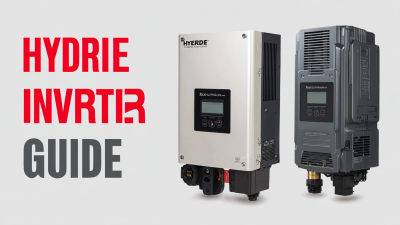
Lately, we've seen a real uptick in the need for energy solutions that are both efficient and sustainable, especially when it comes to marine and shoreline operations. Did you know that the global shipping industry accounts for about 2-3% of all greenhouse gas emissions? It's kind of shocking, right? That’s why shifting to cleaner energy sources is so vital. Enter the Shore Power Converter! This nifty device lets ships hook up to the electrical grid while they’re docked, which cuts down on their dependency on onboard generators and helps reduce emissions. You've got companies like Bangzhao Electric Co., Ltd. leading the way here. They’ve been shaking things up in the energy solutions game for over a decade now. Their top-of-the-line Shore Power Converters can really boost energy efficiency across a bunch of industries, from marine transport to cargo shipping. By fine-tuning power supply systems, we’re not just maximizing operational efficiency but also slashing maintenance costs. It’s pretty exciting to think about how we’re tapping into the full potential of renewable energy in the maritime world!
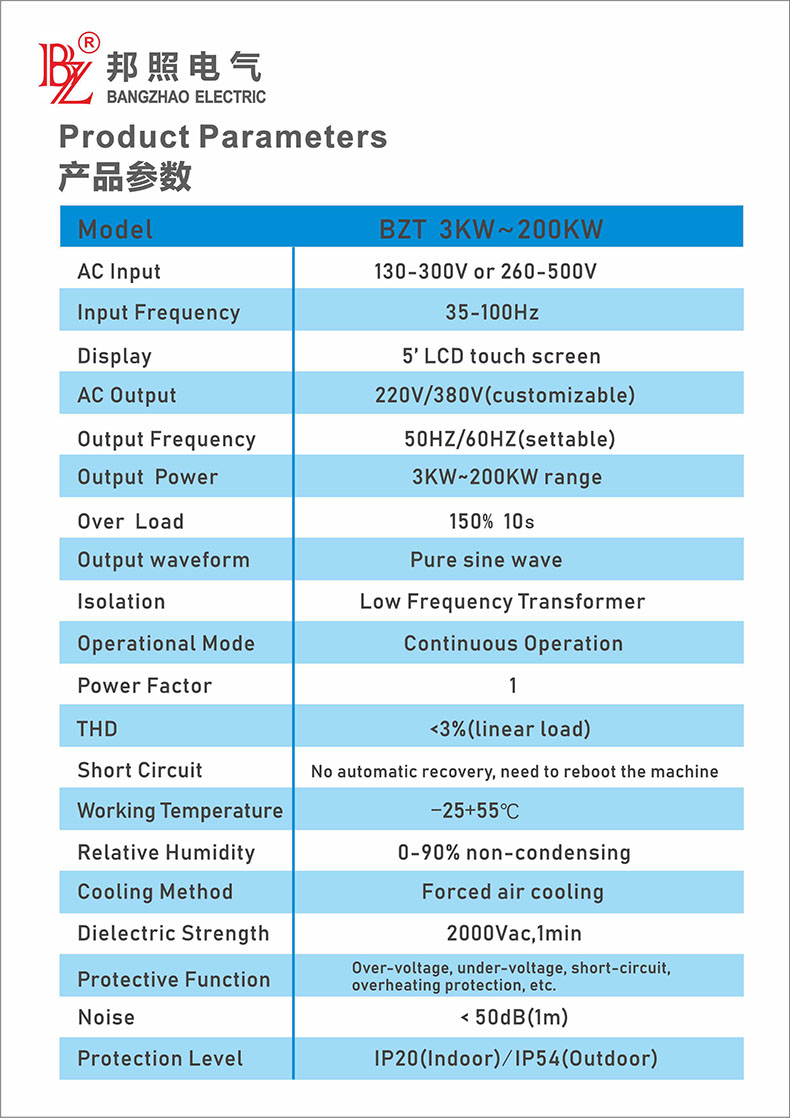
You know, shore power converters are super important for managing energy use in different industries, especially when it comes to marine and port operations. Basically, these converters help ships hook up to the onshore power grid. This means they can keep their essential systems running without having to rely on their onboard generators. Pretty cool, right? This change not only cuts down on fuel consumption but also helps in reducing emissions, which is so important for sticking to environmental rules. In fact, a report from the International Maritime Organization says that using shore power can slash a ship's CO2 emissions by as much as 90% when it's docked. That's a big win for sustainability efforts!

Now, if you’re looking to really get a grip on how shore power converters work, it’s key to understand the basics. These systems take high voltage alternating current (HVAC) from shore sources and turn it into low voltage direct current (LVDC) that the onboard equipment needs. The efficiency of this energy transfer is a big deal; for instance, using advanced converters can boost overall energy efficiency by 20-30%. Plus, as more hybrid vessels come into the picture—those that mix traditional fuels with electric systems—the need for strong and flexible shore power solutions is going to keep rising. A recent study by Allied Market Research even projects that the global shore power market is set to hit $4.9 billion by 2027, showing just how crucial these systems are becoming in today’s maritime world.
You know, in today’s industrial world, shore power converters are pretty much crucial if we want to boost energy efficiency in different sectors. When you take a closer look at these converters, it's fascinating to see just how much they can vary in performance. This can really affect how much it costs to operate and also how sustainable we can be. Take the maritime industry, for example. These shore power converters help ships switch smoothly from their own electricity to the local grid when they’re docked. This makes a huge difference by cutting down emissions and saving on fuel costs. It's a win-win because not only does it clean up the air a bit, but it also helps companies stay on the right side of those tough regulations out there.
Then there’s the whole renewable energy scene. Shore power converters are becoming more and more crucial. They let wind and solar farms plug right into the energy grid without a hitch, which is awesome for optimizing energy transfer and minimizing losses. The better these converters perform, the less renewable energy slips through the cracks, and we really can’t afford to waste any of that if we want to make the most of green technologies. Plus, industries like shipping and construction are reaping the benefits too, seeing enhancements in their power systems that translate into more reliable and cost-effective operations. By really grasping these efficiency differences, businesses can take full advantage of shore power converters, leading to fresh innovations and a more sustainable future.
You know, shore power converters are really becoming essential for pushing sustainability in a bunch of different industries. Take the maritime sector for instance. Here, ships can hook up to onshore electrical systems, which means they can cut down on their dependence on those noisy diesel generators they usually rely on. A report from the International Maritime Organization (IMO) even says that using shore power can slash greenhouse gas emissions by about 40% while a ship is docked. That’s a big win for cleaner air and helps reduce costs too.
And it's not just about ships! The trucking industry is getting in on the action as well. With more fleets making the switch to electric vehicles, they can easily recharge using shore power when they’re loading and unloading cargo. According to a study from the North American Council for Freight Efficiency (NACFE), this combinations of going electric and using shore power can lead to a whopping 70% drop in carbon dioxide emissions compared to the old diesel trucks. Pretty impressive, right? Not only does this approach make operations smoother, but it’s also in line with the growing demand for cleaner logistics.
Also, let’s talk about fishing for a moment. It’s cool to see that the fishing sector is starting to embrace shore power converters as part of a bigger push towards sustainability. Some reports even suggest that shore power can help fishing vessels cut energy costs by up to 30%! Plus, it reduces engine wear and tear, which ultimately helps keep those pricey marine pieces of equipment running longer. By adopting shore power solutions, this industry is not only boosting its operational resilience but also contributing to cleaner practices and positively impacting environmental efforts.
| Industry Application | Efficiency Gains (%) | Environmental Impact (CO2 Reduction) | Estimated Cost Savings | Key Benefits |
|---|---|---|---|---|
| Shipping & Maritime | 30% | 500 tons/year | $100,000/year | Reduced fuel consumption |
| Cruise Operations | 25% | 300 tons/year | $80,000/year | Improved passenger satisfaction |
| Port Operations | 35% | 700 tons/year | $150,000/year | Enhanced local air quality |
| Ferries | 28% | 400 tons/year | $90,000/year | Lower operational costs |
| Commercial Shipping | 32% | 600 tons/year | $110,000/year | Compliance with regulations |
Shore power converters are really shaking things up in the maritime industry when it comes to energy efficiency. Instead of relying on onboard generators, these nifty devices let ships plug into electrical power right from the shore. This clever switch not only cuts down on emissions but also helps save some serious cash. There are some impressive case studies out there, showing how much of a difference they can make. For example, one major cruise line saw a whopping 30% drop in fuel consumption and a big cut in greenhouse gas emissions after they installed shore power systems at their home port.
And it’s not just the cruise companies getting in on the action. Container shipping firms have also jumped on the shore power bandwagon at busy ports. With these systems in place, ships can shut down their diesel engines while they're docked, which means a significant reduction in emissions in urban areas. One case actually showed that embracing shore power technology led to a 50% decline in local air pollution during those peak docking times. That’s a huge win for public health! These real results really highlight how crucial shore power converters are in pushing forward sustainable practices in different sectors, ultimately paving the way for a greener future in the shipping industry.
You know, the world of shore power technology is changing pretty fast and it’s going to make a big difference in how energy is managed across all sorts of industries. Take these new advanced shore power converters, for example. They’re not just boosting energy efficiency; they’re also helping out the environment in a big way. With these technologies, ships can hook up to the grid while they’re in port, which means they don’t have to rely so much on their onboard generators and that really helps to cut down emissions in port areas. As more ports start using these systems, it’s becoming super clear just how much money can be saved by reducing fuel consumption and lowering operational costs.
Looking ahead, I think we can expect future developments in shore power technology to focus on things like integrating renewable energy sources and smart grid systems. This kind of evolution will really help with real-time energy management, making sure power distribution stays on point with the changing needs of maritime operations. Plus, improvements in battery storage solutions are going to make ports a lot tougher and cut down on energy waste. Honestly, the push for innovative shore power systems is really driving us toward cleaner, more efficient energy use, which is great news for both the maritime industry and the planet.
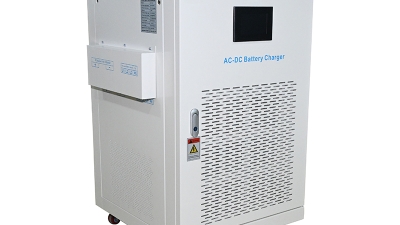
In the modern industrial landscape, efficiency and reliability are paramount, especially when it comes to power supply solutions. Bangzhao Electric's BEG Series Intelligent High-Frequency High Power Three Phase Ac-Dc Charger stands out as a formidable asset for any large-scale industrial application. This high-performance charger utilizes a three-phase power supply mode to deliver consistent and robust power output, directly aligning with the rigorous demands of industrial equipment and production lines.
One of the hallmark features of the BEG series is its impressive power conversion efficiency, which significantly minimizes energy loss. This not only enhances operational efficiency but also contributes to cost savings for businesses that rely heavily on power-intensive machinery. Moreover, the charger is designed with comprehensive protection mechanisms, including safeguards against overloads, short circuits, and over-voltage conditions. Such protective features are essential for ensuring the safe and uninterrupted operation of equipment in the challenging environments typical of industrial settings. By integrating these advantages, the BEG series charger represents a significant advancement in enhancing productivity and safeguarding industrial operations.
: Shore power converters facilitate a seamless transition from vessel-generated electricity to local grid power while docked, minimizing emissions and saving fuel costs.
Utilizing shore power can reduce greenhouse gas emissions by 40% in port environments, significantly contributing to cleaner air and lower operational costs.
Shore power allows electric-powered fleets to recharge during loading and unloading, leading to a 70% reduction in carbon dioxide emissions compared to traditional diesel trucks.
They can cut energy costs by up to 30% for fishing vessels and decrease engine wear and tear, prolonging the life cycle of expensive marine equipment.
Future trends include integration with renewable energy sources, smart grid systems, and advancements in battery storage solutions for more resilient energy management.
They promote sustainability by reducing reliance on fossil fuels, cutting emissions, and enhancing operational efficiency, thereby supporting environmental goals.
The efficiency of shore power converters optimizes energy transfer, reduces losses, and ensures that renewable energy is not wasted, maximizing the potential of green technologies.
By understanding and leveraging these efficiency variances, businesses can unlock the full potential of shore power converters, driving innovation and sustainability in their operations.